
Efficient data retrieval is fundamental for high-performance applications, with caching being an important strategy to enhance this process. While caching significantly improves access speeds and alleviates the database load, it also poses the challenge of cache inconsistency, where the cached data may become outdated with the primary database.
Cache inconsistency mostly occurs when multiple applications access the same database without updating the cache in real-time. The likelihood of inconsistency minimizes when a single application modifies both the database and the cache simultaneously. However, it is crucial to maintain cache synchronization in distributed environments for data accuracy and system reliability.
To tackle these issues, NCache offers distributed caching solutions that facilitate seamless synchronization, real-time updates, and automated cache management, ensuring consistency between the database and the cache.
Key Takeaways
Primary Challenge: Cache inconsistency occurs when data in the distributed cache becomes “stale” or out of sync with the primary database, often due to independent database updates.
Real-Time Synchronization: NCache resolves data integrity issues through automated synchronization features like SQL Dependency and Cache Refresher, ensuring the cache reflects the latest database changes.
Proactive Data Loading: Tools like the Cache Loader and Read-Through caching eliminate “cache misses” by pre-populating data or fetching it automatically from the database on demand.
Atomic Updates: Write-Through caching ensures high data consistency by updating both the cache and the database simultaneously in a single transaction.
Understanding Cache to Database Synchronization
Cache inconsistency can adversely affect business applications, resulting in poor decision-making, reduced performance, and potential data integrity challenges. NCache provides effective synchronization methods to address these issues. Achieving strong consistency in distributed systems often requires balancing the CAP theorem requirements. NCache addresses this through real-time synchronization features.
Primary Causes of Database-Cache Inconsistency
Cache inconsistency arises due to several reasons, some of which are:
- Database modifications not reflected in the cache: Changes made in the database may not be updated in the cache, causing applications to access outdated data.
- Cache modifications not written back to the database: Updates made in the cache may not be synchronized with the database, leading to inconsistencies for applications that depend on direct database interactions.
- Delays in cache updates: In distributed systems, latency in cache refresh intervals can result in discrepancies between the cache and the database.
To tackle these challenges, NCache provides various features that integrates smoothly with enterprise applications.
Solving Data Inconsistency: Best Practices for Cache Synchronization with NCache
The following are the features NCache offers for cache consistency.
- Advanced Cache Expiration Policies
NCache offers the following strategies effectively eliminate outdated data:
- Absolute Expiration: Deletes cached entries following a specified timeframe, guaranteeing that only current data is accessible.
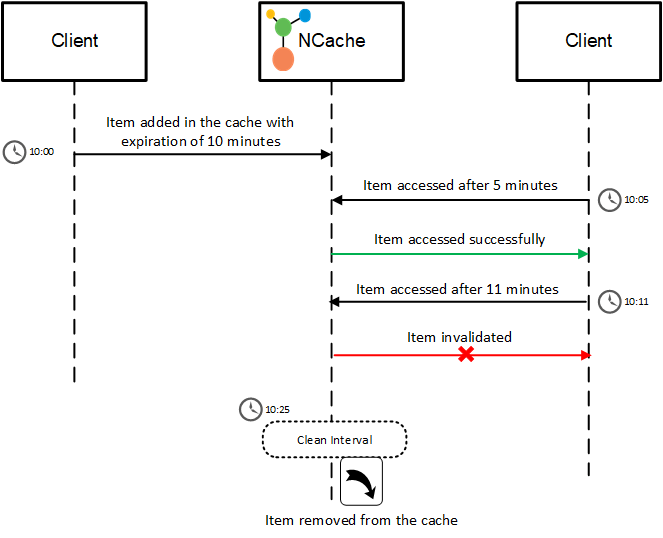
Figure 1: NCache Absolute Expiration Workflow Diagram
- Sliding Expiration: Prolongs the expiration duration of cached items by analyzing usage trends, thereby retaining frequently accessed data in the cache for an extended period.
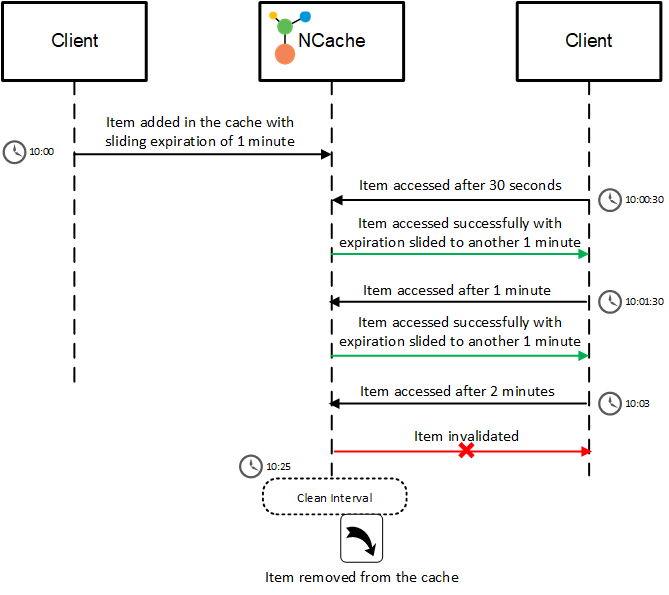
Figure 2: NCache Sliding Expiration and Cache Retention Workflow
These expiration methods are crucial for applications that need real-time updates and help avoid redundant database queries.
- Cache Refresher for Automated Synchronization
NCache’s Cache Refresher guarantees that cached information is consistently updated to reflect the most recent changes in the database.
- It automatically refreshes designated datasets at intervals set by the user.
- This functionality minimizes the risk of outdated data and enhances real-time accuracy.
- It can be configured via the NCache Management Center or PowerShell cmdlets.
This feature is essential for applications experiencing high data volatility, facilitating synchronization without manual updates.
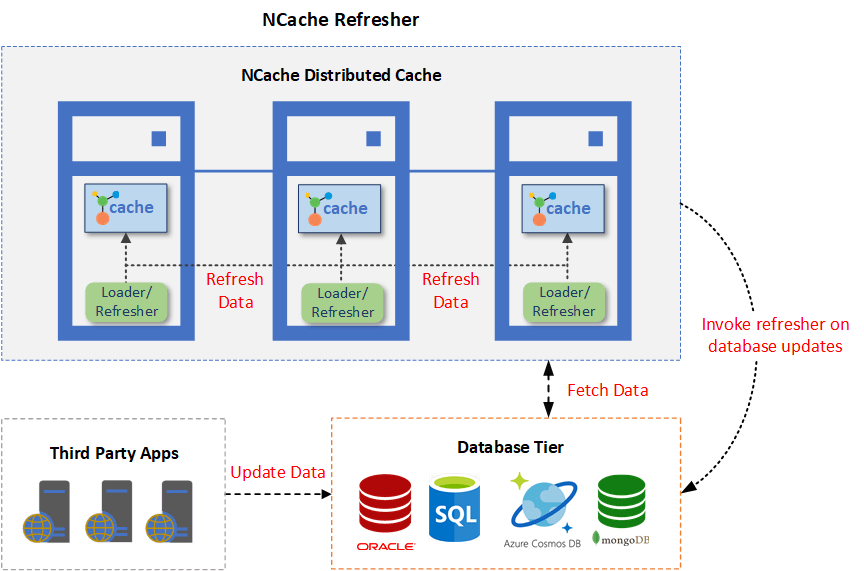
Figure 3: Working of Cache Refresher in NCache
- Cache Loader to Populate Upon Startup
NCache’s Cache Loader guarantees that the cache is automatically filled with pre-configured datasets from the database upon cache restart.
- It preloads essential or frequently accessed datasets into the cache during startup.
- This feature alleviates the database load by ensuring the cache is immediately operational after initialization.
- It improves data consistency by reducing cache misses and enhancing response times.
- The configuration can be managed through the NCache Management Center or PowerShell cmdlets to specify which data should be preloaded.
Utilizing the Cache Loader allows applications to achieve quicker startup times and ensures that critical data is readily available in the cache without the need for on-demand loading.
- Cache Dependencies for Real-Time Invalidation
NCache provides cache dependency features that uphold data integrity by invalidating cache entries whenever there are modifications to the underlying database records.
- SQL Dependency: Monitors changes in SQL Server databases and promptly invalidates the associated cached data.
- Key Dependency: Creates links between cached items, automatically eliminating dependent data when a primary key is altered.
- Custom Dependencies: Allows developers to create custom dependency rules based on external factors.
Utilizing these dependency features enables applications to ensure real-time consistency between cached information and the database.
- Read-Through and Write-Through Caching for Seamless Database Interaction
NCache facilitates efficient database interactions by utilizing Read-Through and Write-Through caching mechanisms.
Comparison of Database Synchronization Strategies
| Strategy | Mechanism | Data Consistency | Best Use Case |
|---|---|---|---|
| Read-Through | Cache automatically fetches data from the DB on a “miss”. | High (Ensures data is present before use). | Read-intensive apps with large datasets. |
| Write-Through | Updates the Cache and DB simultaneously in one transaction. | Highest (Strong consistency between both). | Mission-critical data (e.g., Financial transactions). |
| Write-Behind | Updates the Cache immediately; updates the DB asynchronously. | Eventual (Small window of latency). | Write-heavy apps where latency is a concern. |
Read-Through Caching
- Automatically retrieves data from the database in the event of a cache miss.
- Offers support for custom Read-Through providers, ensuring smooth integration with relational and NoSQL databases.
- Reduces database strain by caching frequently accessed data as needed.
Write-Through & Write-Behind Caching
- Write-through guarantees that the updates to the cache and the database are simultaneous, ensuring data consistency.
- Write-behind updates the database asynchronously following the caching process, which in turn minimizes write latency and enhances overall performance
- Designed for applications that manage extensive transactional workloads efficiently.
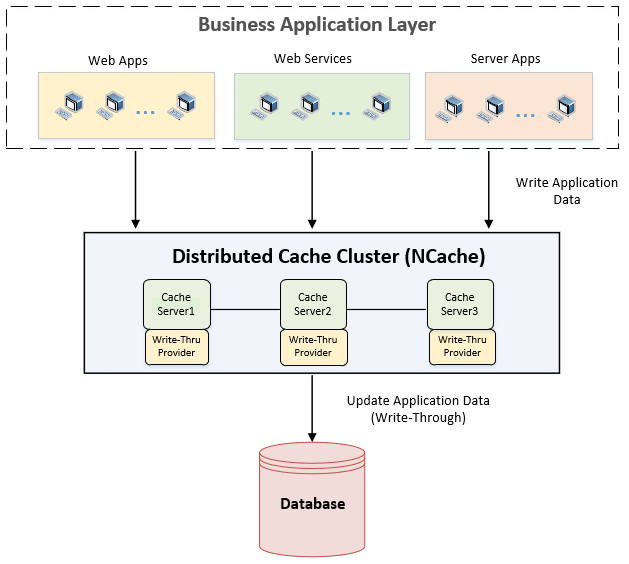
Figure 4: Data Consistency via Write-Through Caching
These features greatly enhance read and write efficiency while maintaining consistency between the cache and database in distributed environments.
Conclusion
Clearly, ensuring the consistency of database caches is essential for enterprise applications that depend on caching to enhance performance. NCache offers advanced features such as Cache Expiration, Loader and Refresher, Cache Dependencies, and Read/Write-Through Caching, collectively providing an effective approach to avoid cache inconsistency.
By utilizing NCache’s real-time synchronization capabilities, organizations can resolve stale data problems, guarantee high availability, and improve overall application performance. Moreover, for those seeking a robust caching solution that addresses performance limitations while preserving data integrity, NCache stands out as the optimal option.
Frequently Asked Questions (FAQ)
Q: How does NCache handle database changes made by external applications?
A: NCache uses SQL Dependency to monitor the database directly. When an external process modifies a record, the database notifies NCache, which then invalidates the associated cached item to prevent applications from reading stale data.
Q: What is the technical difference between Absolute and Sliding Expiration?
A: Absolute Expiration removes a cache entry at a fixed, predetermined time (e.g., after 10 minutes). Sliding Expiration resets the timeout interval every time an item is accessed, ensuring that “hot” data remains in the cache as long as it is frequently used.
Q: How does the Cache Refresher differ from a standard Cache Loader?
A: While a Cache Loader is primarily used to populate the cache at startup, the Cache Refresher is a background process that runs at user-defined intervals. It proactively updates designated datasets to ensure the cache is synchronized with the latest database state without manual intervention.
Q: When should I choose Write-Through over Write-Behind caching?
A: Choose Write-Through when your application requires strict data integrity, as it updates the database and cache simultaneously. Use Write-Behind for write-heavy applications where minimizing latency is more critical than immediate database synchronization.
Q: How do Custom Dependencies ensure data integrity for non-SQL sources?
A: Custom Dependencies allow developers to define specific invalidation rules based on external factors or non-relational data changes. When these custom triggers occur, NCache automatically removes the dependent data, ensuring the cache stays consistent even with complex, external data logic.